Kingston Council rules for memorial flowers and grave sites
Posted on 12/10/2026
Kingston Council rules for memorial flowers and grave sites: a practical guide for families, visitors and gardeners
If you are trying to understand Kingston Council rules for memorial flowers and grave sites, you are probably dealing with a mix of grief, admin, and a few awkward questions that nobody really prepares you for. Can you leave fresh flowers on a grave? How long will they stay there? What happens if the area gets cluttered or weather-damaged? And, perhaps most importantly, how do you show respect without accidentally breaking cemetery rules?
This guide brings the subject down to earth. We will walk through how memorial flowers are usually managed, why grave-site rules matter, what councils tend to expect, and how to avoid the common mistakes that can cause upset later on. You will also find a checklist, a comparison table, and practical examples that make the whole thing easier to handle in real life. Truth be told, this is one of those topics where a little clarity saves a lot of stress.
- Why the rules matter
- How memorial flowers and grave site rules work
- Practical benefits of following the guidance
- Who this advice is for
- Step-by-step guidance
- Expert tips for getting it right
- Common mistakes to avoid
- Tools, resources and recommendations
- Law, compliance and best practice
- Options and comparisons
- Real-world example
- Practical checklist
- Conclusion
- Frequently asked questions
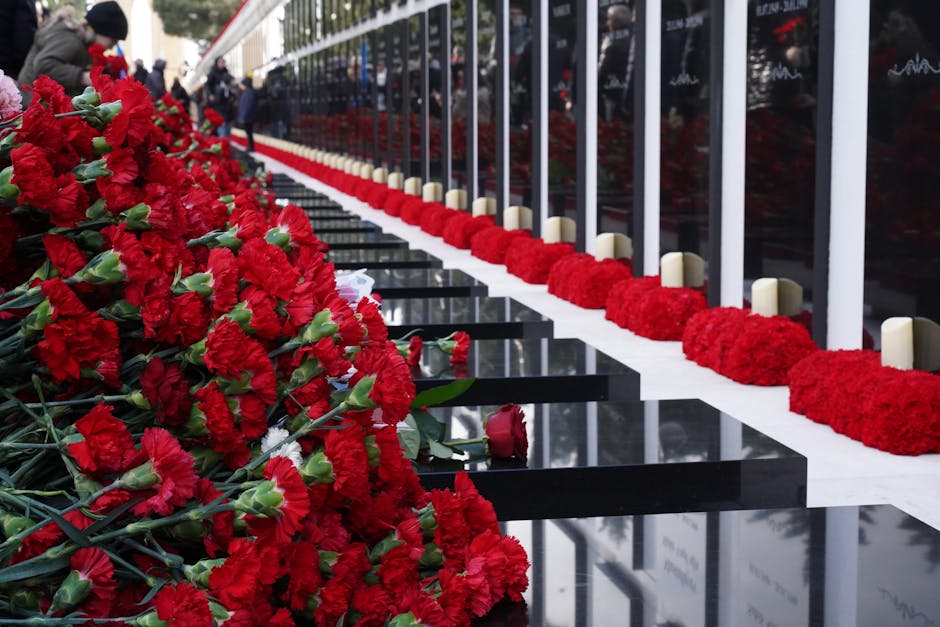
Why Kingston Council rules for memorial flowers and grave sites Matters
Memorial flowers are not just decoration. They are part of how many families mark love, remembrance, anniversaries, and everyday visits. A tidy grave with fresh flowers can feel calm and comforting, while a cluttered or neglected plot can do the opposite. That is why cemetery and grave-site rules matter so much.
In a council-managed burial ground, there is a balancing act. Families want freedom to remember in a personal way. The council has a duty to keep the site safe, accessible, dignified, and manageable for everyone. That usually means rules about where flowers may go, how long they can remain, what types of containers are allowed, and what happens if items become damaged, faded, or intrusive.
There is also a practical side. Flowers left in the wrong place can block mowing, create trip hazards, attract litter, or interfere with neighbouring plots. During wetter months, especially after a long rainy spell, old arrangements can start to look tired very quickly. A small note of care now can prevent a lot of mess later. Nobody wants a memorial area to look forgotten, even by accident.
For families in Kingston, these rules matter because they shape the way you plan visits, choose flowers, and maintain the grave through the year. If you are arranging a one-off tribute, visiting regularly, or helping older relatives with a loved one's resting place, knowing the expected standards makes everything smoother.
How Kingston Council rules for memorial flowers and grave sites Works
Although specific details can vary by cemetery or burial ground, the basic system is usually straightforward. Councils typically set out what is permitted on or around grave sites, where flowers should be placed, and how long items can remain before removal or tidying. These rules are often there to keep pathways clear, preserve lawned areas, and protect the appearance of the grounds.
In plain English, the usual approach is this:
- Flowers should be placed in the areas allowed for that grave type.
- Containers may need to be stable, safe, and not likely to cause damage.
- Items may be removed if they become unsafe, overgrown, weather-damaged, or left too long.
- Some cemeteries allow only certain memorial items during maintenance periods.
- Large displays, loose decorations, or non-floral objects may be restricted.
If the grave is in a lawn cemetery, the rules are usually stricter than people expect. Grass cutting, edging, and general grounds maintenance can mean that flowers must stay within a defined space or be placed in a vase or holder that will not interfere with machinery. It sounds a bit fussy until you see a mower trying to navigate around a stray pot. Then it makes sense.
Many families also ask about seasonal or special occasions. You may want to leave flowers at Christmas, on a birthday, or on a remembrance date. In practice, the same principle usually applies: keep arrangements tidy, contained, and respectful, and check whether the site has any temporary restrictions around maintenance visits or burial operations.
If you are ordering flowers for a memorial visit rather than placing them yourself, you may want to choose arrangements that travel well and sit neatly. A sympathy flowers selection is often more suitable than a loose hand-tied bouquet, particularly if the grave site is exposed to wind or rain. For a more traditional tribute, a wreath or spray may feel more appropriate and secure.
Key Benefits and Practical Advantages
Following cemetery guidance is not just about avoiding trouble. It genuinely helps the tribute look better and last longer. A well-planned arrangement reads as thoughtful rather than crowded. It also reduces the risk of flowers being removed early or damaged by maintenance work.
Here are the main benefits families usually notice:
- Cleaner presentation: Flowers stay neat and dignified instead of spilling into pathways or onto neighbouring plots.
- Less waste: If you know how long flowers can stay, you can time visits and replacements more sensibly.
- Lower risk of removal: Properly placed items are less likely to be moved during grounds maintenance.
- Better safety: Stable containers and tidy placement reduce trip hazards and obstructions.
- More meaningful visits: You can focus on remembrance rather than worrying whether you have done the wrong thing.
There is also an emotional benefit, which is easy to overlook. When a grave site is tidy and cared for, families often feel they can visit with a bit more peace. You notice it in the small details: the fresh scent of flowers, a ribbon sitting straight, a vase that does not wobble in the wind. Those things matter more than people admit.
If you are looking for flowers that look dignified without feeling too elaborate, a simple tribute from the tributes range can work well. For a more traditional memorial feel, wreaths are widely understood and often suit cemetery settings nicely.
Who This Is For and When It Makes Sense
This guidance is for anyone responsible for a grave in Kingston or visiting a memorial site where council rules apply. That includes family members, friends, funeral arrangers, and people who simply want to place flowers respectfully at a loved one's resting place.
It is especially useful if you are:
- visiting a grave for the first time and unsure what is allowed
- planning flowers for an anniversary, birthday, or remembrance date
- managing multiple family graves and trying to keep things consistent
- considering a more durable arrangement for a lawn cemetery
- choosing flowers for a funeral tribute and wanting them to suit later placement at a grave
It also makes sense if you are helping an older relative or a bereaved friend. A lot of the friction here comes from not knowing the local practice. One person thinks a pot is fine, another remembers a wreath being removed, and suddenly nobody is sure what is what. A little preparation solves that. To be fair, councils are often more accommodating when arrangements are tidy and clearly deliberate.
If you want flowers that can be delivered with memorial timing in mind, options such as same-day flower delivery in Kingston Vale can be useful when a visit or ceremony has come together at short notice. For planned memorial dates, next-day flower delivery gives you a bit more breathing room.
Step-by-Step Guidance
If you are dealing with a grave site in Kingston, the simplest way to avoid problems is to work methodically. Here is a sensible approach.
- Check the cemetery type. Lawn cemeteries, churchyards, crematorium grounds, and traditional burial sections can all have different expectations.
- Look for any local notices. Sites sometimes display seasonal maintenance warnings, mowing schedules, or temporary restrictions near burial plots.
- Choose the right style of flowers. Compact arrangements, wreaths, sprays, and stable posies are usually easier to manage than loose or oversized displays.
- Use a secure container. If flowers are in a vase, pot, or holder, make sure it is stable enough for wind, rain, and the odd bump from maintenance equipment.
- Keep the display within the allowed area. Do not let stems, ribbons, or packaging spread into paths or neighbouring graves.
- Remove fading flowers before they become untidy. Fresh flowers are lovely; mushy ones on a hot afternoon in August, not so much.
- Review the grave regularly. If the site is exposed, flowers may need replacing sooner than you expect.
A practical example: if you are placing flowers for a loved one's birthday and the grave is on a lawn section, a low wreath or neat vase arrangement is often easier to maintain than a tall bouquet. It sits better in the wind, looks cleaner after rain, and is less likely to cause issues during grounds care.
If you want a ready-made arrangement with a gentler memorial feel, something from the sympathy flowers range or a carefully chosen funeral flowers option can be more suitable than a bright general bouquet. The difference is subtle, but it matters at a grave site.
Expert Tips for Better Results
A few small habits can make a big difference at memorial sites. Nothing fancy. Just sensible, practical things that help the tribute stay dignified.
- Choose hardier stems if the grave is exposed. Flowers with a bit more structure usually cope better with wind and rain.
- Keep packaging minimal. Cellophane, tags, and loose wrapping can look fine for a day, then become clutter.
- Match the scale to the grave. Small plots can look overwhelmed by large arrangements. Less can genuinely be more here.
- Think about colour in context. Soft whites, creams, purples, and mixed muted tones often feel calm and respectful.
- Visit after heavy weather. A ten-minute check after strong wind can save the site from looking neglected.
In our experience, the best memorial tributes are the ones that look cared for without trying too hard. That might sound obvious, but it is the balance people often miss. A tight, elegant tribute will almost always age better than a sprawling arrangement with too many extras.
For a cleaner layout, a small bouquet such as Pure Elegance or a more traditional remembrance design like In Memoriam Wreath can work beautifully depending on the grave space and the tone you want to set.
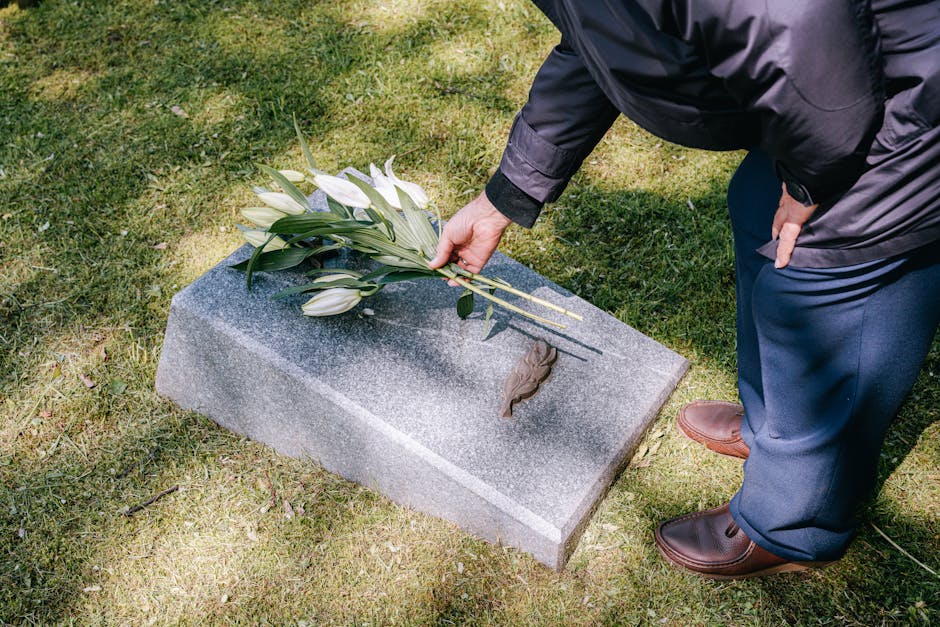
Common Mistakes to Avoid
Most issues around memorial flowers are not dramatic. They are just easy mistakes that happen when people are grieving, rushing, or relying on assumptions. Let's face it, nobody reads cemetery rules for fun.
- Leaving flowers too long: Even beautiful flowers become unsightly once they fade, especially in warm or wet weather.
- Using unstable containers: Lightweight pots can topple, spill soil, or blow onto paths.
- Overcrowding the plot: Too many items can make the grave hard to maintain and visually cluttered.
- Blocking maintenance access: This is one of the fastest ways to cause a problem.
- Ignoring seasonal guidance: Councils may publish temporary instructions when lawns are being cut or areas are being prepared.
- Assuming every cemetery has the same rules: This one catches people out more than you would think.
A small but common mistake is using arrangements designed for indoor display and expecting them to last outdoors on a grave. They might look lovely at first, then slide about or wilt much faster than expected. If you want something that sits safely at a graveside, a compact tribute or a grave-friendly design is usually the better call.
Tools, Resources and Recommendations
You do not need much to manage memorial flowers well, but a few tools make life easier.
- Weather-resistant vase or holder: Helps keep stems upright and reduces spills.
- Clean pruning scissors: Useful for trimming stems before placement.
- Soft cloth or paper: Handy for wiping mud or water from containers.
- Notebook or phone reminder: Good for remembering anniversaries or regular maintenance visits.
- Small carrier or box: Makes it easier to transport flowers without crushing them.
For flower selection, many families prefer a florist or delivery service that offers memorial-appropriate arrangements. A dedicated funeral flowers Kingston Vale page can be helpful when you want something that feels respectful and appropriately styled. If you are looking for something more restrained and classic, the white flowers and purple flowers collections can suit memorial settings particularly well.
If the tribute is for a single resting place and you want something simple, a posy, cushion, or small wreath may be easier to keep neat than a larger spray. The goal is not to impress anyone. It is to show care.
Law, Compliance, Standards, or Best Practice
Memorial flower rules sit in the wider world of cemetery management, local authority practice, and respectful site use. Specific requirements can vary between burial grounds, and councils may publish their own regulations for the cemetery they manage. So while it is wise to follow general best practice, you should not assume every site works the same way.
The key best-practice principles are usually consistent:
- keep graves tidy and accessible
- avoid items that create hazards or obstruct maintenance
- use arrangements that suit the site and the season
- respect neighbouring plots and shared pathways
- remove faded or damaged items promptly
In many UK cemetery settings, the practical rule is simple: if an item makes routine grounds care harder, it may not be allowed to stay. That is why neatness matters so much. It is not about being cold or strict for the sake of it. It is about keeping the whole site dignified.
If you are choosing flowers for a memorial service and later placement at a grave, you may also want to consider the durability of the arrangement. For example, a stronger tribute such as Eternal Memory Posy or Loving Memory Wreath is often better suited to repeated visits than a very delicate design.
Options, Methods, or Comparison Table
If you are unsure what type of memorial flowers to choose, comparing the most common options side by side can help. The right answer depends on the grave type, how often you visit, and how exposed the site is.
| Option | Best for | Advantages | Potential drawback |
|---|---|---|---|
| Loose bouquet | Short visits, hand placement | Simple, personal, easy to buy | Can move or dry out quickly outdoors |
| Wreath | Formal memorials, consistent shape | Neat appearance, widely recognised | May need replacement if left too long |
| Posy or cushion | Smaller plots, tidy presentation | Low profile, manageable, respectful | Less dramatic visually |
| Spray or tribute | Funeral placements, dedicated graveside use | Structured, traditional, often very suitable | May be too large for compact graves |
| Vase arrangement | Longer display, regular visiting | Stable and tidy if well made | Needs a secure container and maintenance |
For many families, a wreath or small tribute is the safest middle ground. It feels respectful, it looks deliberate, and it is easier to keep under control. If the grave site is exposed to the elements, that matters more than people realise.
Case Study or Real-World Example
Consider a family visiting a grave in Kingston for a spring anniversary. The plot is on a lawn section, close to a path and exposed to a bit of wind. The first year, they place a tall mixed bouquet directly on the grave. It looks lovely for a day, then flops slightly after rain and becomes awkward to stand upright. By the following week, the flowers need removing.
The next year, they switch to a lower, more structured tribute with a stable base. They also remove the wrapping before placing it and set a reminder to check the grave after five or six days. Small change, big difference. The site stays neat, the flowers last better, and the family is not worrying every time they walk away.
That sort of adjustment is very common. People often start with what looks beautiful in the shop and then learn, through one or two visits, what actually works at the cemetery. It is not a failure. It is just how the practical side of memorial care gets learned.
For a tasteful, easy-to-manage option, many families prefer a design that already suits cemetery settings, such as Sympathy Florist Choice 100 or Compassionate Wreath. They are straightforward, dignified, and less likely to cause issues on-site.
Practical Checklist
Use this checklist before placing memorial flowers at a grave site in Kingston.
- Confirm the cemetery or burial ground type.
- Check for local notices about maintenance or seasonal restrictions.
- Choose an arrangement that suits the size of the grave.
- Make sure the container is stable and weather-resistant.
- Keep packaging minimal or remove it before placing the flowers.
- Place flowers only in the permitted area.
- Plan when you will return to refresh or remove the tribute.
- Avoid cluttering the grave with extra items unless allowed.
- Inspect the flowers after bad weather if the site is exposed.
- Remove faded flowers promptly and respectfully.
If you are arranging something in a hurry, choose a simple, reliable option rather than trying to build an elaborate display last minute. A clean tribute is usually better than a complicated one that does not hold up. Really, that is the whole game.
Get a free quote today and see how much you can save.
Conclusion
Kingston Council rules for memorial flowers and grave sites are ultimately about respect, safety, and keeping the burial ground dignified for everyone who uses it. Once you understand the basics, the whole thing becomes much less daunting. Choose a suitable tribute, place it neatly, keep it within the allowed area, and plan a sensible time to check or refresh it.
That approach protects the grave, supports council maintenance, and helps your tribute remain beautiful for longer. More than that, it keeps the focus where it belongs: on remembering someone properly, quietly, and with care.
And if you are standing there on a cool morning with flowers in your hands, trying to decide whether they are quite right, trust your instinct. A simple, well-kept tribute is often the most moving of all.
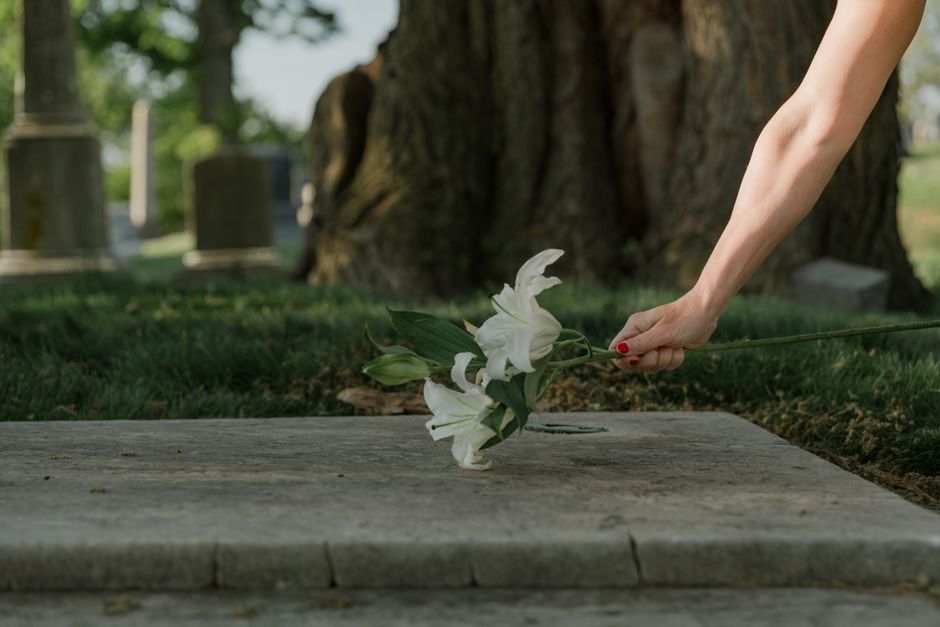
Frequently Asked Questions
What are Kingston Council rules for memorial flowers and grave sites?
They are the local cemetery or burial-ground expectations that guide where flowers can be placed, how long they can remain, and what type of memorial items are allowed. The details can vary by site, so it is always best to check the specific burial ground rules rather than assuming every location works the same way.
Can I leave fresh flowers on a grave?
In most cemetery settings, yes, fresh flowers are commonly allowed if they are placed neatly and do not obstruct maintenance or pathways. The important part is using an arrangement that fits the site and removing it once it starts to fade.
How long do memorial flowers usually stay on a grave?
That depends on the cemetery rules, the weather, and the type of flowers used. Some arrangements last only a few days in warm or wet conditions, while more robust displays may stay presentable for longer. It is wise to check the grave regularly.
Are pots and vases allowed at grave sites?
Often yes, but they may need to be stable, safe, and suitable for the grave type. Lawn cemeteries can be stricter because maintenance teams need to mow and edge around plots. A secure holder is usually better than a lightweight pot.
What flowers are best for a cemetery grave?
Hardier, compact arrangements tend to work best. Many families choose wreaths, posies, sprays, or small vase arrangements because they stay tidy and are less likely to blow over. Soft whites, purples, and mixed muted tones are often popular for memorial visits.
Can I put artificial flowers on a grave?
Some cemeteries allow them and some do not, or they may only allow them in certain areas or at certain times. Because rules vary, you should check the specific burial ground guidance before relying on artificial flowers.
Will the council remove flowers from a grave?
They may remove items that become unsafe, overgrown, damaged, or left beyond the site's maintenance expectations. This is usually done to keep the grounds tidy and accessible rather than to cause upset, though it can be upsetting if you were not expecting it.
What should I do if I am visiting after bad weather?
Check the condition of the flowers, container, and surrounding area. If flowers have collapsed or become untidy, remove or refresh them as soon as you can. A quick tidy-up after strong wind or rain makes a big difference.
Is there a best time to place memorial flowers?
Many people place flowers before an anniversary, birthday, or memorial date, but there is no universal rule. The best timing is usually the one that gives the flowers the longest sensible life without leaving them to deteriorate on the grave.
What if I am not sure what style of tribute is appropriate?
Start with something simple and traditional. A wreath, posy, or small sympathy arrangement is often the safest choice for a grave site. If in doubt, a neat, understated tribute is usually better than something large or overly elaborate.
Can I order flowers for grave-site placement at short notice?
Yes, many people do that, especially when a date has slipped their mind or a family visit has been arranged quickly. A same-day or next-day option can be helpful, provided the tribute is suitable for outdoor placement and the cemetery's rules.
What should I avoid leaving on a grave?
Avoid bulky items, anything that blocks mowing or walking access, and decorations that are likely to blow away or break down quickly. If the item looks likely to create clutter or a hazard, it is probably not a good fit for a council-managed grave site.
Do different grave types have different flower rules?
Yes, they often do. Lawn graves, traditional burial plots, and memorial areas can all have different expectations. That is why checking the exact cemetery guidance matters so much. A rule that applies in one section may not apply in another.
How can I keep a grave looking respectful over time?
Use simple, suitable arrangements, inspect them regularly, and replace or remove faded flowers before they become untidy. A little attention every so often is usually enough to keep the grave feeling cared for and calm.